

Hnycareershub
FollowOverview
-
Posted Jobs 0
-
Viewed 139

Company Description
NHS: The Family They Never Had
Within the bustling halls of an NHS hospital in Birmingham, a young man named James Stokes moves with quiet purpose. His oxford shoes whisper against the floor as he exchanges pleasantries with colleagues—some by name, others with the familiar currency of a “how are you.”
James wears his NHS lanyard not merely as institutional identification but as a testament of acceptance. It rests against a neatly presented outfit that gives no indication of the tumultuous journey that led him to this place.
What sets apart James from many of his colleagues is not obvious to the casual observer. His bearing gives away nothing of the fact that he was among the first beneficiaries of the NHS Universal Family Programme—an effort designed specifically for young people who have been through the care system.
“I found genuine support within the NHS structure,” James reflects, his voice controlled but revealing subtle passion. His statement captures the essence of a programme that aims to transform how the vast healthcare system approaches care leavers—those often overlooked young people aged 16-25 who have graduated out of the care system.
The numbers paint a stark picture. Care leavers often face poorer mental health outcomes, economic uncertainty, accommodation difficulties, and reduced scholarly attainment compared to their peers. Underlying these clinical numbers are individual journeys of young people who have traversed a system that, despite best intentions, regularly misses the mark in delivering the supportive foundation that forms most young lives.
The NHS Universal Family Programme, launched in January 2023 following NHS England’s pledge to the Care Leaver Covenant, represents a profound shift in systemic approach. At its core, it accepts that the complete state and civil society should function as a “communal support system” for those who haven’t experienced the constancy of a typical domestic environment.
Ten pioneering healthcare collectives across England have blazed the trail, creating frameworks that reimagine how the NHS—one of Europe’s largest employers—can create pathways to care leavers.
The Programme is detailed in its approach, beginning with comprehensive audits of existing procedures, forming governance structures, and obtaining executive backing. It understands that effective inclusion requires more than noble aims—it demands practical measures.
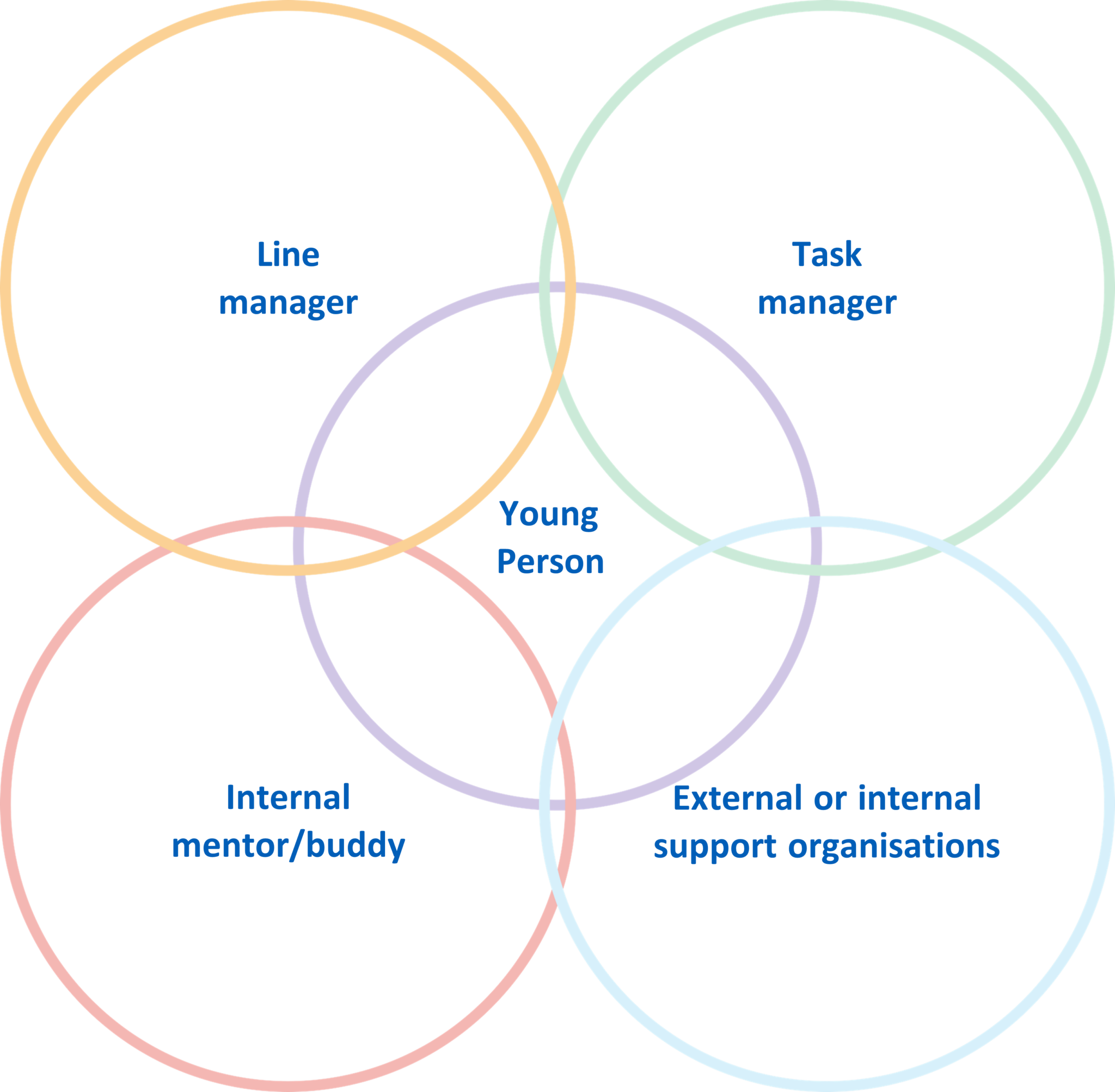
In NHS Birmingham and Solihull ICB, where James began his journey, they’ve created a consistent support system with representatives who can deliver support, advice, and guidance on mental health, HR matters, recruitment, and inclusivity efforts.
The standard NHS recruitment process—structured and potentially intimidating—has been thoughtfully adapted. Job advertisements now focus on attitudinal traits rather than long lists of credentials. Applications have been redesigned to address the particular difficulties care leavers might experience—from lacking professional references to facing barriers to internet access.
Perhaps most significantly, the Programme acknowledges that entering the workforce can pose particular problems for care leavers who may be navigating autonomy without the safety net of family resources. Issues like transportation costs, personal documentation, and financial services—taken for granted by many—can become substantial hurdles.

The beauty of the Programme lies in its meticulous consideration—from outlining compensation information to providing transportation assistance until that crucial first wage disbursement. Even seemingly minor aspects like break times and office etiquette are deliberately addressed.
For James, whose NHS journey has “changed” his life, the Programme delivered more than a job. It provided him a sense of belonging—that intangible quality that develops when someone is appreciated not despite their history but because their distinct perspective enhances the workplace.
“Working for the NHS isn’t just about doctors and nurses,” James comments, his gaze showing the subtle satisfaction of someone who has secured his position. “It’s about a collective of different jobs and roles, a family of people who genuinely care.”
The NHS Universal Family Programme embodies more than an employment initiative. It functions as a powerful statement that systems can evolve to include those who have experienced life differently. In doing so, they not only alter individual futures but enhance their operations through the distinct viewpoints that care leavers bring to the table.
As James walks the corridors, his involvement subtly proves that with the right assistance, care leavers can flourish in environments once deemed unattainable. The support that the NHS has provided through this Programme signifies not charity but recognition of hidden abilities and the essential fact that all people merit a family that supports their growth.
